
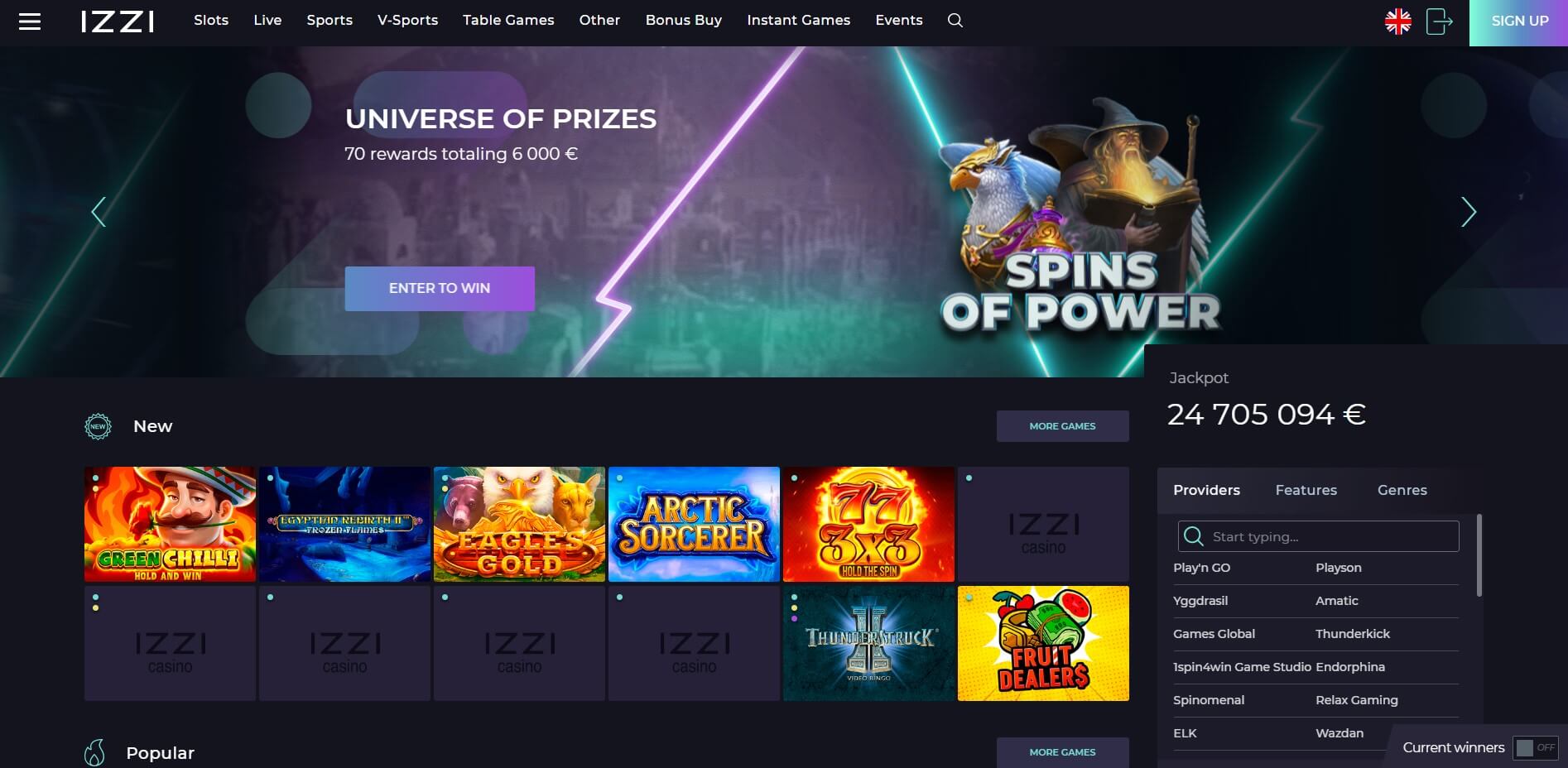
We launched Hey Casino and observed the same international template many operators roll out across jurisdictions. The design felt sharp, the game library offered depth, and the bonuses stacked up well by global standards. But Canadian players carry expectations a one-size-fits-all platform almost always misses. Over the last few months, we’ve watched Hey Casino undergo a conscious turn toward its Canadian audience. These represent no surface tweaks like showing balances in CAD or sticking a maple leaf on the site. We’re looking at a true push to customize everything: payment rails, the game mix, support hours, even the rhythm of bonus campaigns. This review explores each piece of that localization, measuring how well the platform now clicks with Canadian players without sacrificing the identity that drew its earliest crowd.
Verbal and Cultural Nuance in Platform Communication
The wording threaded through a gaming platform tells users how the company views them, in a far more nuanced way than any promotional banner. We analyzed the content across Hey Casino’s Canadian‑facing platform and observed a change toward Canadian vocabulary orthography and terminology. Words like “check” in place of “check,” “color” in game descriptions, and “centre” in navigation links now are present consistently. Those minor writing decisions suggest focus to the Canadian market, not a lazy North American configuration that relies on U.S. English. The tone of marketing emails and in‑platform messages has been adjusted to Canadian conversational norms—slightly more reserved, less loud, compared with U.S. or UK marketing blasts.
Cultural references in game texts and promotional text now draw from Canadian cultural points where it is appropriate. We noticed hockey references in event notifications, winter‑heavy language that aligns with Canadian seasonal reality, and a careful avoidance of American‑centric mentions that would feel foreign. The platform hasn’t drifted into stereotype, which we appreciate. There aren’t endless maple syrup talk or moose humor that would come across as patronizing. The balance is quiet cultural fluency—Canadian users feel acknowledged without becoming diminished to a caricature. That multifaceted method to linguistics and cultural context represents the moment the Canada strategy evolved from superficial translation into real localization.

What Hey Casino has achieved for Canadian players illustrates that genuine localization goes far beyond slapping on CAD and a handful of regional payment options. The platform has covered every aspect of the customer experience: the technical guts of Interac support, the cultural timing of promos, the words on the labels, the style of the emails. We see a consistent approach that considers Canadian users as a unique group with their specific preferences, not a small tweak of a North American or Commonwealth template. The points where additional improvement is feasible—French language support, better alignment with regional regulations—appear as opportunities, not failures. For Canadian users evaluating where to play, the extent of regional adaptation now live on the platform renders it a strong contender alongside the well‑known local operators.
Identity Verification Respecting Canadian Documentation
The KYC step is where many international platforms struggle with Canadian users. Verification systems built for European ID formats often struggle with provincial driver’s licenses, health cards, or the specific layouts of Canadian passports and utility bills. We put Hey Casino’s verification flow to the test and saw the document upload screen explicitly lists Canadian document types, complete with visual examples of what each provincial ID variant looks like. The automated check now reads the security features baked into Canadian government‑issued identification, minimizing false rejections that used to dump users into manual review queues.
Address verification has been calibrated for Canadian reality. The system accepts utility bill formats from Canadian provinces, bank statements from any of the Big Five banks, and mobile bills from Canadian carriers. It understands Canadian address quirks—rural route designations, postal codes that aren’t ZIP codes—without encountering errors. Getting this backend right is huge because verification delays are the number‑one source of player anger. When a Canadian uploads a driver’s license and the system validates it in seconds, the whole sign‑up feels smooth and professional. When the same document gets returned again and again, the message is loud and clear: this offshore outfit doesn’t know what a Canadian ID looks like and doesn’t care.
Help Desk Aligned with Canadian Time Zones and Languages
Effective support is pointless if it’s only available while your users sleep. We assessed the live chat window across various time slots and can confirm English‑speaking agents are online when Canadians are—from early morning Atlantic Time through late evening on the Pacific coast. The answers we got reflected real training on Canadian‑specific issues: tracing Interac transactions, explaining CAD cashout timelines, and handling questions about province‑level rules. Agents knew the landscape, sidestepping the copy‑paste scripts that usually leave Canadian users frustrated when they just want a payment or verification problem solved.
The help center includes a set of self‑serve articles that address Canadian needs. We located clear walkthroughs on how Interac e‑Transfer authentication works, which documents satisfy KYC for Canadian residents, and how provincial regulations change account features for users in Ontario versus the rest of the country. Placing that content up front reduces repetitive tickets and lets people handle common headaches on their own. English manages the support desk, which aligns with the linguistic reality of most Canadian online players, but adding French‑language availability during Quebec business hours would be the next logical step on the localization path.
Currency Handling and Exchange Transparency
Using Canadian dollars eliminates a annoying frustration Canadians encounter on internationally‑focused casinos. When a site processes everything in USD or EUR, users absorb foreign exchange markups on every deposit and cashout—usually two to four percent deducted before a single bet lands. Hey Casino now features CAD as a native account currency, so deposits land at face value and withdrawals return the exact amount shown in the cashier. We verified the platform uses mid‑market rates for the leftover conversions that happen when a game provider still prices its titles in another currency. That transparency matters because hidden forex fees erode bankrolls quietly over time, leaving players with a vague sense they’re getting less value without being able to put a number on it.
The CAD treatment extends into promotions too. Bonus amounts, wagering hurdles, and cashout caps now show in Canadian dollars with round figures that feel natural. A two‑hundred‑CAD welcome bonus appears far cleaner than a converted “about two hundred and seventy‑three dollars and forty cents.” The platform also shows unit values and total balances side by side, no manual math needed. That kind of currency clarity shows Canadian players they’re a primary market, not a bolt‑on to a European hub. The comfort of playing in your own currency does more for retention than most operators realize.
Responsible Gaming Tools with Canada-Based Help Services
Safer gambling features only aid if they direct players to help that can really respond. Hey Casino has refreshed its safer‑play page with Canadian helpline numbers, provincial problem‑gambling support contacts, and references to groups like the Responsible Gambling Council based in Toronto. That localization means a player looking for help finds a resource awake in their time zone, manned by advisors who know how Canadian health and support systems work. The self‑exclusion options now align with provincial self‑exclusion program rules where those apply, so users can align platform‑level restrictions with commitments they’ve previously set at a provincial level.
We poked through the deposit cap, loss cap, and session time tools and discovered them completely functional in CAD, with plain‑language explanations of how each one works. The reality check feature, which nudges players with pop‑ups about how long they’ve been online, now employs Canadian English phrasing and time formats that appear local. Those details create a safety net that feels built for the audience, not taken from a standard model. That matters because responsible gaming tools only do their job when users believe in them to turn them on, instead of brushing them off as some offshore afterthought.
Game Selection Curation for Canadian Preferences
Canadian slot preferences vary from global averages in subtle yet measurable ways. Our analysis of player behavior across platforms shows a stronger pull toward high‑volatility games with progressive jackpots, not the low‑variance, hit‑often titles that lead Scandinavian lobbies. Hey Casino appears to have studied the numbers, because the game lobby now places progressive networks like Mega Moolah, WowPot, and Dream Drop at the forefront. The search and filter tools offer a jackpot-specific category that combines every progressive title across providers, so Canadians can head straight to their preferred game category without browsing through hundreds of standard slots.
Live Dealer Tables with Regional Appeal
The live casino section was given considerable attention during this localization push. We noticed dedicated blackjack tables hosted by Canadian English‑speaking dealers during peak North American evening hours. These tables operate on Eastern Time, which creates an experience that feels direct and culturally comfortable instead of like an off‑hours service targeted at a European room. Betting limits match Canadian comfort zones: minimums start at one to five CAD, and VIP tables increase for players who want higher stakes. The roulette selection keeps both European single‑zero and American double‑zero wheels, a nod to the way many Canadians appreciate both formats depending on the night’s appetite for risk.
Game Provider Collaborations Reflecting Regional Demand
The game aggregation now highlights studios with proven Canadian pull. Games Global, Pragmatic Play, and Evolution occupy the featured slots, while regional favorites from North American‑focused developers receive better lobby real estate. We also saw that slot themes centered on wilderness, hockey, and northern landscapes appear more frequently in the recommended sections—algorithmic curation that reacts to cultural hooks, not just global popularity charts. The broader international library is preserved, so nobody feels limited, but the discovery path now guides Canadian users toward content the data says will keep them playing longer.
Payment Methods Aligned with Canadian Banking Habits
Canada’s payment landscape is nothing like Europe or Asia. Interac runs more than sixty percent of online transactions in the country, and it’s the network people depend on for instant bank transfers without sharing card details. When Hey Casino first appeared, the cashier featured the standard international range—Visa, Mastercard, a few e‑wallets—and Interac was missing. That gap caused real trouble for Canadian users who anticipate a clean direct‑to‑bank flow. The platform has since added Interac e‑Transfer and Interac Online as primary deposit and withdrawal channels. Now the money moves the way Canadians expect: straight from their bank to the casino with no middleman holding account. Withdrawal windows have reduced to one to three business days, aligning with what domestic users anticipate instead of the five‑to‑seven‑day waits international wires still impose.
On top of Interac, we saw iDebit and Instadebit now are listed in the cashier too. Both have deep trust inside the Canadian gaming community because they act as a privacy buffer between a personal bank portal and the merchant. The deposit limits follow typical Canadian disposable income rhythms, not European high‑roller norms. Minimums sit at a comfortable ten to fifteen CAD, while maximum caps cater to both casual nights and bigger bankrolls. We consider this payment overhaul as the single biggest localization step: it eliminates the main hurdle that used to keep Canadians from funding an account and coming back.
Bonus Schedule Adapted to Canadian Holidays and Seasons
When an online casino operates its bonus schedule shapes player engagement all year. International platforms often tie campaigns to European holidays or global events that hold no significance to a Canadian audience. Over recent months, we tracked Hey Casino’s promo calendar and noticed a clear pivot toward Canadian cultural moments. Thanksgiving weekend in October now brings themed bonuses and tournament events, separate from the American November holiday. Canada Day promos launch with the right branding and timing, and Victoria Day weekend campaigns acknowledge the unofficial kickoff of Canadian summer. These tweaks may seem small, but they indicate the marketing team understands the calendar that actually structures Canadian leisure time.
Winter promos have been extended and enhanced to match the Canadian climate. Long, dark winter evenings are ideal online gaming hours coast to coast, and the bonus schedule now matches that with steady offers operating from November through March rather than a quick holiday spike. Loyalty point multipliers and reload bonuses concentrate around the weekends when Canadians are busiest, packing the heaviest weight from Friday evening to Sunday night. Game tournaments follow the same seasonal rhythm, with winter leaderboard prize pools calibrated to Canadian spending power instead of global benchmarks that can feel either stingy or out of reach.
Mobile Platform Tailored for Canadian Connectivity
Canada’s mobile networks cover expansive areas with data speeds that dip the moment you depart a city. We evaluated the Hey Casino mobile platform under various network conditions—from powerful urban LTE to slow rural connections. The platform held up fine on limited bandwidth: game load times were satisfactory, and the interface remained responsive even as speeds wobbled. That engineering resilience is important in a country where players connect from cabins, campsites, and small towns where the network differs like downtown Toronto.
The mobile interface has picked up a few smart adjustments for Canadian users. Data usage readouts are more prominent, helping people on limited plans keep an eye on data use. The app-like PWA loads fast and stores data intelligently, which cuts repeated data pulls during extended play sessions. We also observed touch targets and button placements perform well with fingers in gloves—a practical nod to Canadian winters when someone might be playing from a chilly porch or a bus shelter. These mobile choices indicate the platform understands that Canadians play in real-world and network conditions far different from the metropolitan, fast-connection assumptions baked into most European-oriented casinos.